
Landscapers know the cost of running a successful business. You must buy equipment and vehicles and maintain them. Equipment breakdowns add to expenses. Landscaping insurance protects operations from equipment failure and business liabilities related to labor or clients.
Why should you consider landscaping insurance instead of using capital to handle these risks? The financial protection insurance provides outweighs any capital payment. It helps you stay protected from lawsuits, covers property damage, and ensures employee safety. Many banks and credit providers won't grant business loans without landscaping insurance.
Hiscox offers the best landscaping insurance for residential and commercial businesses. It provides broad insurance coverage, ensuring full protection.
Before choosing a plan, consider your business model, type of insurance needed, costs, number of employees, equipment value, coverage limits, and the insurer's AM Best rating.
Find the Insurance Coverages Your Landscaping Business Needs
Select what applies to your landscaping business. Then see which insurance types you should focus on.
Tip: Clicking a coverage type will jump you to the detailed explanation in this article.
The below table contains the seven best landscaping insurance for businesses.
| Provider | Description |
|---|---|
| Hiscox | Offers comprehensive insurance ideal for residential and commercial landscape businesses, including startups needing coverage for core business policies. |
| The Hartford | Provides extensive coverage suitable for landscaping businesses of all sizes, especially those requiring specialized options like inland marine insurance and workmanship error coverage. |
| Clear Spring | Specializes in customizable insurance products, making it an excellent choice for small landscaping companies seeking competitively priced, tailored coverage. |
| Simply Business | Brokerage service perfect for any landscaping business wanting to compare quotes from multiple top-rated insurers to find the best policy fit. |
| Nationwide | Offers comprehensive insurance packages suitable for small to medium-sized landscaping businesses looking for tailored coverage with flexible liability limits. |
| Progressive | Ideal for landscaping companies that require comprehensive commercial auto insurance for their fleet of trucks and trailers. |
| Acuity | Best for larger landscaping businesses interested in bundling personal and business insurance, benefiting from high liability limits and potential discounts. |
1. Hiscox - Top Pick
Hiscox is the best landscaping insurance for residential and commercial landscaping businesses. The insurance covers all core business policies, including general liability insurance, professional liability insurance, business owner's policy (BOP), and workers' compensation insurance. This range is perfect for businesses involved in residential or commercial landscaping. Hiscox provides premiums to new businesses.
Premiums vary based on the size and scope of your business but are typically around $1,500 annually for general liability coverage with a limit of $1,000,000 per occurrence. Deductibles depend on the specific policy but are generally affordable.
Hiscox provides limits ranging from $300,000 to $2 million for general liability with aggregate limits of up to $5 million per project or location. This ensures ample protection against most claims landscapers might face. Still, the best strategy would be to consult directly with them so they can construct a tailored insurance policy for your business.
In terms of restrictions, Hiscox does not cover commercial auto insurance and has limited options for higher liability limits without direct consultation. Coverage might exclude certain high-risk activities unless explicitly included.
2. The Hartford - Best Overall For Landscaping
The Hartford's landscaping business insurance includes general liability, professional liability, commercial property, workers' compensation, and inland marine insurance, which is essential for landscapers using heavy equipment.
They really put extra thought into the unique demands of landscaping. For instance, the insurance doesn't place a cap on the height of tree work done by tree care businesses. They offer workmanship error coverage, which is a necessity in the landscaping industry. Employee retention poses a significant challenge in the landscaping industry.
The company's premiums are more expensive than Hiscox's insurance, starting at $2000 annually for basic liability coverage, which includes BOP, property coverage, and general liability. Keep in mind The Hartford is very lenient, and they'll create a specific insurance premium for your business, putting coverage in areas where you feel it's necessary.
Their liability limits are good, ranging from $500,000 to $10 million (subject to individual policy). The only major con of The Hartford is that it doesn't provide services in Alaska and Hawaii. Other than that, it's the best landscaping insurance for businesses other than lawn care.
3. Clear Spring - Best for Small Landscape Companies
Clear Spring specializes in providing a full spectrum of insurance products, including general liability, commercial auto, and workers' compensation. While it isn't specifically for landscaping businesses, the company can create custom insurance products based on your needs, ensuring you are fully covered.
In terms of pricing, you can expect the premiumsto be competitively priced, starting around $400 annually for very basic insurance coverage. Deductibles are customized based on the policy but generally align with industry standards as evident with their A.M rating of A- (Excellent).
Clear Spring offers liability limits up to $5 million, ensuring substantial coverage for diverse landscaping operations. You can book a consultation with their team if you require more substantial coverage.
Unlike the Hartford, Clear Spring offers insurance services in all 50 states, as well as the District of Columbia. Their insurance coverage unfortunately excludes some professional errors and high-risk activities completely or without prior endorsement because their main focus isn't on landscaping businesses.
4. Simply Business - Best for Comparing Quotes
Simply Business is a brokerage and doesn't provide insurance for landscapers. It is the best landscaping insurance brokerage you will find on the internet, allowing you to compare quotes from various top-rated insurers (like those included in this list) for general liability, professional liability, and more.
It's a free service you can use to compare insurance from 15 insurance providers. You can use it in any of the 50 states. Overall, I highly recommend you use their service when you're finished with this article.
5. Nationwide - Best for Medium Landscape Companies
Nationwide provides comprehensive business insurance for landscaping businesses. Nationwide provides general liability, commercial property, and business auto insurance for small and medium landscaping businesses.
The company's premiums start at around $1,500 annually. Deductibles vary but typically start at $500. Nationwide's customer and sales teams are excellent, and they'll help you get the insurance policies to fit your business's unique needs. You might even get cheaper off than the prices listed above.
Nationwide offers liability limits from $500,000 to $3 million (depending on your policy), which is more than enough for medium landscape companies.
Like most of the companies listed in this article, Nationwide doesn't provide coverage for intentional acts or professional services outside your agreed insurance agreements. You'll need to obtain additional endorsement for certain high-risk activities.
6. Progressive - Best for Landscaping Companies With Trucks
Progressive is the go-to commercial auto insurance provider in the landscaping industry. They provide full coverage for all your trucks and trailers, ensuring your vehicles are covered regardless of the type of vehicle. Progressive insures trailers, commercial vehicles, dump trucks, and winter service vehicles. They provide brokerage services and liability and commercial property insurance, though I recommend you opt for one of the other insurance policies in this list.
Commercial auto insurance premiums start at around $700 annually. Deductibles are generally flexible, starting at $500. Progressive offers several discount initiatives, such as a 15% discount when you pay your premium in full.
Progressive provides liability limits from $1 million per occurrence and $2 million aggregate for their BOP insurance. Their auto insurance provides coverage based on the damage that occurred to your vehicle and its respective value at the time of the incident.
While their auto insurance is the best in the landscaping industry, there are some exclusions you need to be aware of. Exclusions from insurance typically include wear and tear on vehicles and intentional damage. Some business liability coverages may require additional policies.
7. Acuity - Best for Personal and Business Insurance Bundle
Acuity offers a wide range of insurance products, including general liability, business insurance, commercial property, workers' compensation, and umbrella insurance, perfect for larger landscaping businesses. It offers various personal insurance options.
Premiums start at around $1,000 annually. They provide excellent discounts (up to 20%) on bundling, which means you might save money when you bundle both your personal and business or just your business into one package with Acuity.
Acuity provides high liability limits of up to $10 million, which is ideal for large businesses with significant exposure.
On the downside, Acuity does not provide landscape insurance in all 50 states. Overall, Aquity is a good insurance provider if you're looking to save money by bundling insurance, but I recommend you place more emphasis on the other insurance options on this list when picking your landscape business insurance.
How To Pick Landscaping Business Insurance?
You pick landscaping business insurance based on seven factors. To pick landscaping business insurance, you first need to understand the factors that determine the quality of the insurance for your business.
The first factor is your business model. How do you operate? Are you a sole proprietor, do you have a small team, or do you manage a large company? Once you assess your business model, you'll better understand the scope and insurance type you require.
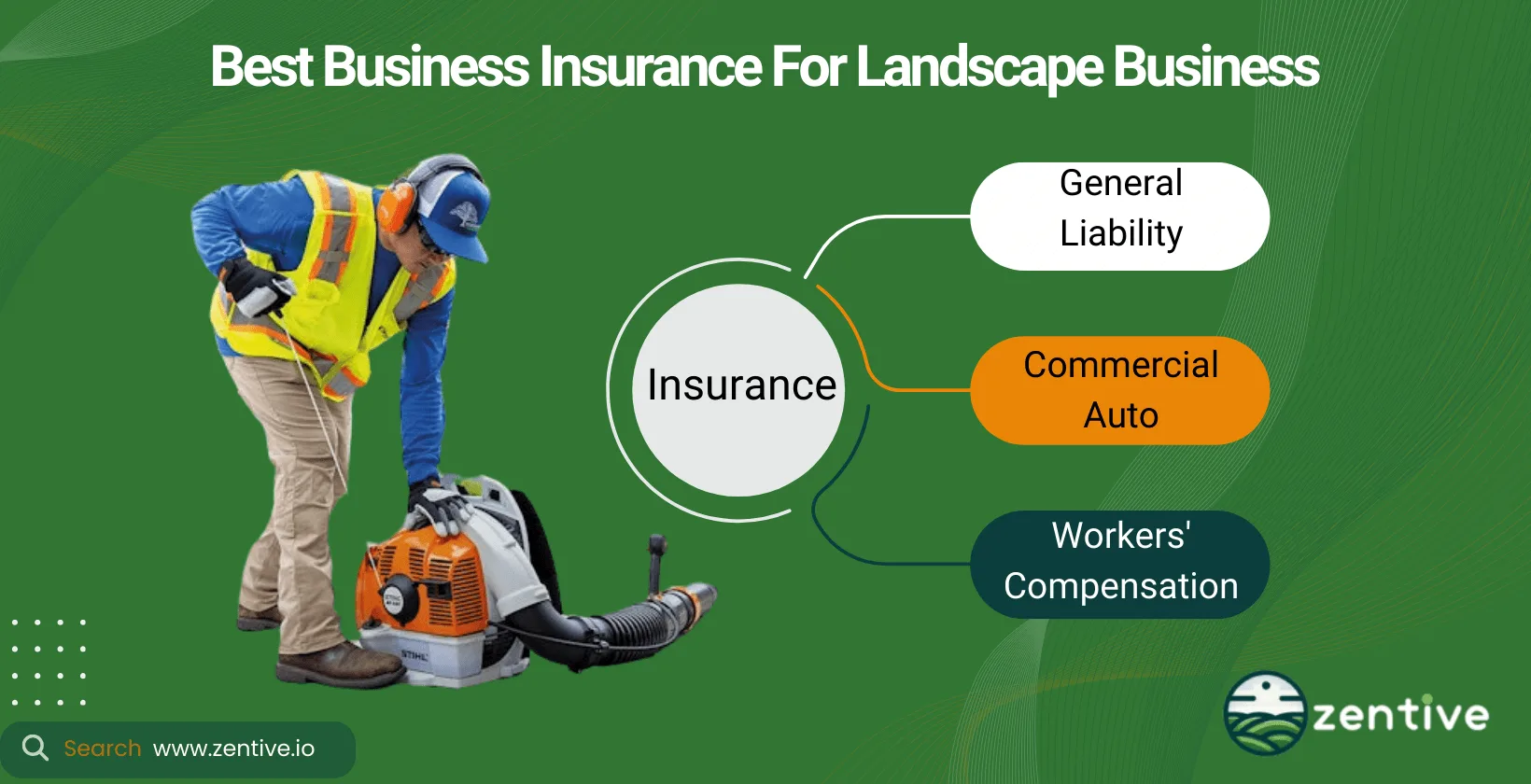
Insurance type is very important. You need to Identify the types of insurance that best suit your business activities. As a general rule of thumb, landscaping businesses opt for general liability, commercial auto, and workers' compensation. Just make sure that each part of your operations is protected against the relevant risks.
Be attentive to the cost of insurance. Consider your budget and how much you're willing to spend on insurance. While it's important to get comprehensive coverage, you need to ensure it's affordable, especially if you have a small business.
Your number of employees impacts your insurance needs, especially concerning workers' compensation and liability coverage. More employees typically mean higher premiums.
The fifth factor is the value and quantity of your equipment, as they affect the type of insurance you need. Policies like equipment and tools insurance will be necessary to protect against damage or theft.
Desired coverage plays an important role. Determine the extent of coverage you need based on potential risks. This includes evaluating policy limits and ensuring they are sufficient to cover your business adequately.
Lastly, check the quality of the insurance through its AM Best rating. This rating assesses the financial stability and reliability of insurers. A higher rating indicates a more dependable insurance company.
Regardless of what type of landscaper you are, it's important that you pay attention to these factors when picking your landscaper insurance.
| Factor | Description |
|---|---|
| Your Business Model | Assess how you operate—sole proprietor, small team, or large company—to understand the scope and type of insurance required. |
| Insurance Type | Identify the types of insurance that best suit your business activities, such as general liability, commercial auto, and workers' compensation. |
| Cost of Insurance | Consider your budget and ensure the insurance is affordable while providing comprehensive coverage. |
| Number of Employees | The number of employees affects your insurance needs, especially for workers' compensation and liability coverage. |
| Value and Quantity of Equipment | Determine if you need equipment and tools insurance to protect against damage or theft based on the value and quantity of your equipment. |
| Desired Coverage | Evaluate policy limits and ensure they are sufficient to cover your business adequately based on potential risks. |
| AM Best Rating | Check the insurer's financial stability and reliability using their AM Best rating; higher ratings indicate more dependable companies. |
Who Needs To Get Landscaper Insurance?
There are seven types of landscapers that should definitely get landscaper insurance. The seven include the following.
- Arborists: Need insurance to cover risks associated with tree trimming, removal, and other arboricultural services.
- Landscape Contractors (Residential & Commercial): Require insurance to protect against property damage, liability claims, and accidents during their work.
- Hardscapers: Insurance is necessary to cover potential injuries or property damage while working with stone, concrete, and other materials.
- Landscape Architects & Designers: Need insurance to protect against claims related to design errors, omissions, or professional liability issues.
- Landscape Pesticide and Herbicide Applicators: Insurance is crucial to cover liabilities from potential damages or health hazards caused by applying chemicals.
- Lawn Care Companies: Need insurance to cover various risks, including equipment damage and property liability during regular lawn maintenance services.
- Snow Removal Companies: Require specific types of insurance coverage to address challenges such as property damage and slip-and-fall accidents during snow removal.
What Are The Types Of Landscaping Insurance?
There are eight types of landscaping insurance, including the following.
- General Liability Insurance: Covers third-party bodily injury and property damage claims. It's the most important type of insurance for landscaping businesses as it protects against lawsuits and financial losses from accidents on job sites.
- Commercial Auto Insurance: Covers vehicle damage and liability from accidents if your business uses vehicles for transportation or hauling equipment. This insurance protects your commercial vehicles.
- Workers' Compensation Insurance: Covers medical expenses and lost wages for employees who get injured on the job. It's legally required in most US states if you have employees.
- Professional Liability Insurance: Known as errors and omissions insurance, it covers claims of negligence, errors, or omissions in the services you provide. This insurance protects your business against professional mistakes.
- Equipment and Tools Insurance: Protects your tools and equipment against theft, damage, and vandalism. This insurance is more geared toward expensive equipment and tools like mowers or trimmers.
- Commercial Property Insurance: Covers damage to your business property, including buildings and equipment, from events like fire, theft, and natural disasters. This insurance safeguards your physical assets.
- Umbrella Insurance: Provides additional liability coverage beyond the limits of your other policies. It offers extra protection for significant claims.
- Business Owner's Policy (BOP): Bundles general liability and commercial property insurance. BOP allows comprehensive coverage at a lower cost than purchasing policies separately. This policy is ideal for small to mid-sized businesses seeking broad protection but don't want to spend excessive money on landscaping insurance.
What Is Average Cost Of Insurance For Landscapers?
The average cost of landscaping business insurance ranges from $500 to $2,500 per year or $28 to $500 per month.
Each individual premium differs because of the factors that affect the price. Generally, the number of employees, the scope of services offered, the value of equipment, and the specific risks associated with your business impact the cost of insurance. Businesses with more employees and higher-risk services have higher premiums.
Luckily, there are a couple of methods to save money on insurance costs. The first and best method is to compare quotes from multiple insurers through platforms like Simply Business. Secondly, try to bundle different types of insurance with the same insurance company to get a 15%-20% discount. The third method is more difficult but can be effective. Try and implement strict safety measures to reduce claims and lower premiums.
How Does Landscape Business Insurance Affect Employee Hiring?
Landscape business insurance significantly affects employee hiring by making employee hiring and retention easier. At the same time, more employees increase your landscape business insurance. It's a trade-off you have to pay if you want to have better-quality employees.
Having landscape business insurance, such as workers' compensation, is legally required in most US states, and you won't be able to hire landscape employees legally without it.
You don't have to see it only as a drawback. Most landscaping companies report that when they have comprehensive insurance, their business is more attractive to high-quality hires, attracting more skilled and competent employees.
Employee-related business insurance ensures that you're protected from any financial risks. Insurance mitigates financial risks by covering the costs associated with workplace injuries and even any heavy equipment-related damage.
Do Landscapers Need Insurance For Their Equipment?
Yes, landscapers need insurance for their equipment. Equipment insurance generally covers your full landscaping business equipment list. This means that you're protected against financial loss from damage, theft, or vandalism. For example, equipment insurance covers the replacement cost when someone steals your lawnmower, either in full or with a small additional fee required.
What Does Landscape Insurance Cover?
Landscape insurance covers almost every aspect of your landscaping business, including liability for bodily injury, property damage, equipment theft or damage, vehicle theft or damage, and workers' compensation.
The main purpose of an insurance policy is to protect landscaping businesses from financial losses due to accidents, legal claims, and unforeseen events that could disrupt operations. Most items or activities involved in the day-to-day operations of a landscaping business are covered by insurance. Still, it's always recommended to double-check what's not covered by the landscaping insurance.
What Is Not Covered By Landscape Insurance?
Landscape insurance does not cover intentional damage by the owner, professional errors not covered under liability policies, and certain high-risk activities unless specifically included.
Business owners need to know what aspects of a landscaping business are not covered by insurance before starting a new business. Knowing these limitations helps in planning and avoiding unexpected expenses.
Do You Need Insurance To Start A Landscaping Business?
Yes, it is recommended and sometimes legally required to have insurance to start a landscaping business. Most states require business owners to get insurance when they create a landscape business. It's one of the prerequisites when applying for a loan at most of the US banks. And even if these two statements don't apply to you, it's still recommended to get insurance to protect you against risk. Without it, your business can face potential financial ruin from accidents, property damage, or liability claims.
For instance, let's say you run a lawn care business, and one of your employees unintentionally damaged the sewage pipe. A new pipe needs to be installed, requiring excavation, permits, installation, etc. All of these cost money, and a client will likely sue you for property damage. Without insurance, your business would have to pay out-of-pocket for legal fees and damages (installing the new pipe), which could be financially devastating and completely avoided if you just had insurance.
Get This Guide as a PDF
Save this article for offline reading. We'll send a formatted PDF straight to your inbox.
No spam. Unsubscribe anytime.
Ready To Streamline Your Field Service Business?
Zentive is the all-in-one field service management software built for landscaping, lawn care, tree care, and snow removal businesses. Start your free trial today.
No credit card required · Cancel anytime