
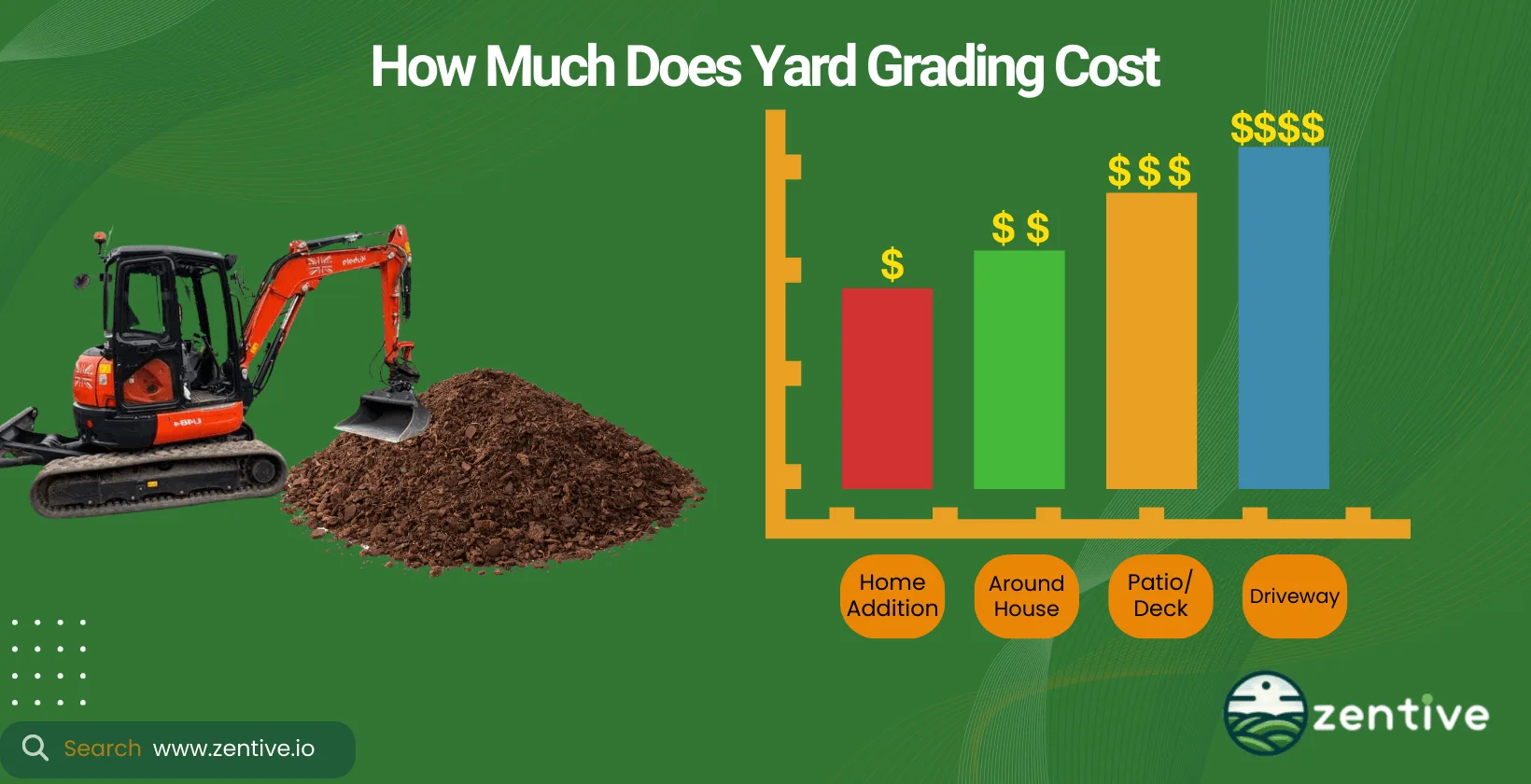
Land grading and leveling alters the landscape to create a flat or sloped surface based on project requirements. This landscaping service is essential for proper drainage, preventing erosion, and preparing land for construction projects.
You must price these services accurately to maintain profitability and attract customers. Pricing landscape grading is challenging because costs vary based on yard size, grading complexity, removed material, and required equipment.
The average cost to level a yard is $1,000–$3,000. The bidding process requires visiting the site to determine factors affecting cost, such as service type, yard size, and equipment. Then, you'll create the bid and send it to the client.
The bidding process can be time-consuming, limiting other opportunities. Therefore, I suggest using landscape estimating software to create and send estimates faster and more accurately. A software-generated estimate is likely more professional than a manual one.
What Is The Cost Of Land Grading?
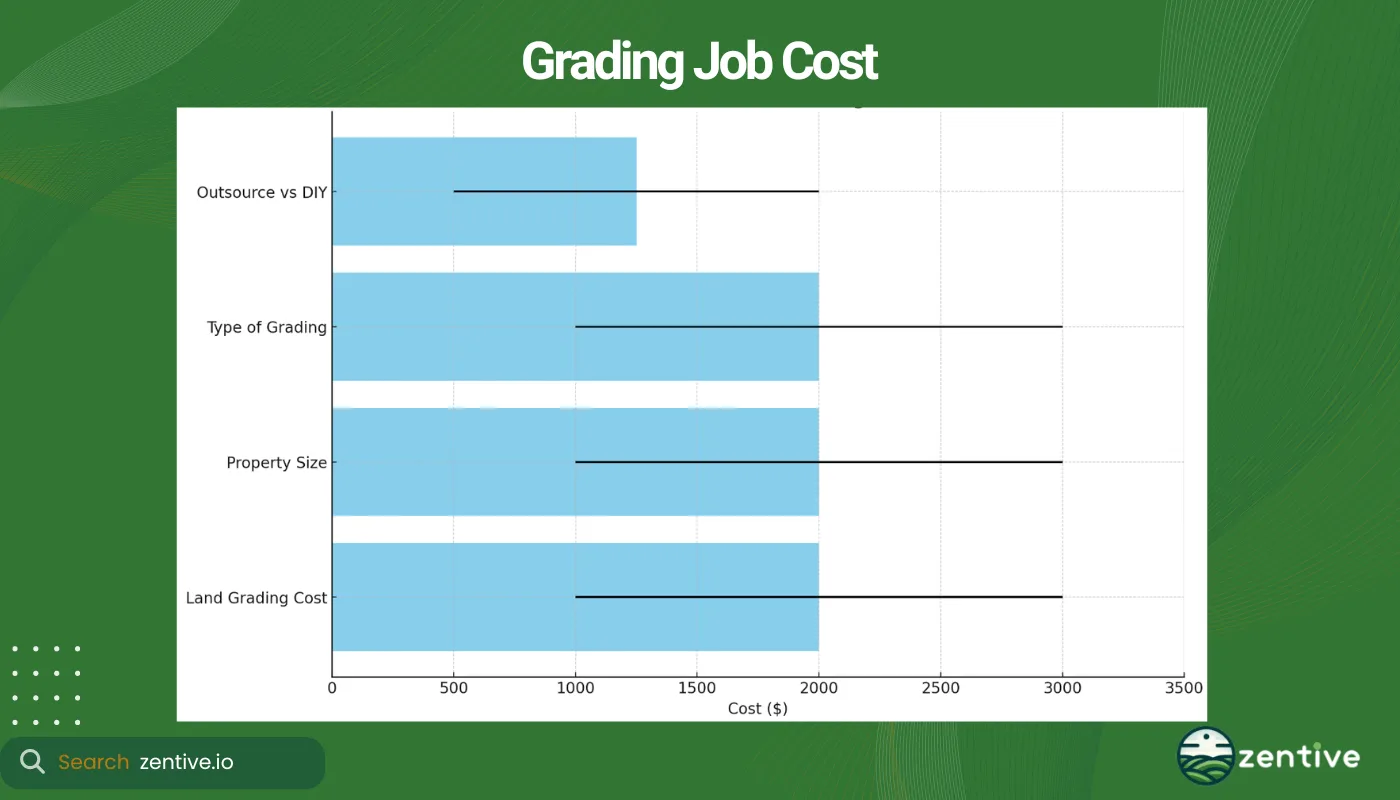
The cost of land grading ranges from $1,000 to $3,000. This number is not set in stone; the land grading cost varies with property size, type of grading (whether it's for drainage improvement or landscape preparation), and the decision to outsource vs DIY all affect the cost.
For instance, larger properties require increased dirt removal per cubic yard. DIY is cheaper because you don't have to pay overheads or labor costs.
What Is Cost Of Grading By Property Size?
The cost of grading varies depending on the size of the property - the larger the property, the more expensive the grading services become. For small residential yards, the average cost is between $0.40 and $2 per square foot, with the average price for grading a backyard or home lot being $1,000-$3,000. On the other hand, grading an acre of land can cost between $15,800 and $40,000, while a quarter-acre home lot can cost between $4,000 and $10,000.
What Does It Cost To Level Land Per Acre?
Leveling land per acre is quite expensive, costing around $1,000 to $5,000 per acre. For large properties, landscapers use heavy machinery like bulldozers, excavators, and graders, not just for leveling but for clearing the land if needed.
It's important to note that once you factor in land clearing - removal of trees, brush, and topsoil - the price becomes significantly more expensive.
What Does Residential Grading Cost Per Square Foot?
The grading cost per square foot for residential properties is around $5 - $10. Residential properties get grading for aesthetic reasons or practical reasons, such as driveways, patios, erosion prevention, or water blockage prevention. The type of grading—whether it's fine grading for surface preparation or rough grading for initial shaping—plays a crucial role in determining the cost.
What Is Cost Of Types Of Grading?
There are two types of grading: fine and rough grading. Fine grading involves the precise leveling and preparation of the soil surface for sod installation or garden beds and includes leveling the top 1" to 3" of soil. It typically costs between $0.40 to $1.00 per square foot. Rough grading, on the other hand, involves removing slopes or contouring land for drainage, and it costs around $1 to $2 per square foot.
| Type of Grading | Description | Cost per Square Foot |
|---|---|---|
| Fine Grading | Precise leveling and preparation of the soil surface for sod installation or garden beds, includes leveling the top 1" to 3" of soil. | $0.40 to $1.00 |
| Rough Grading | Removing slopes or contouring land for drainage. | $1.00 to $2.00 |
What Is Cost Of Hiring Landscaper vs DIY?
Opting for a professional landscaper to grade or regrade your yard can be expensive, roughly $1,000 to $3,000. The alternative to paying $3,000 is DIY. Do it yourself (DIY) means taking on the responsibility of grading the area yourself. This means you still need to get all the required clearance (grading permit) as well as organize all the equipment and labor. But you can save a lot of money.
Hire a landscaper when the required effort appears excessive. They will organize everything, from securing land removal equipment rentals to labor and fuel for the equipment. Afraid landscapers will surprise you with hidden costs? A professional landscaper usually lists all the equipment costs in their quote so you can understand the scope of the project exactly.
How To Create Estimate For Landscape Grading?
The process of creating an estimate for landscaping grading involves six key steps. We'll cover all six steps, showing you exactly how to estimate landscaping jobs.
- Assess Job Site: Visit and evaluate the yard to identify terrain challenges, soil conditions, and obstacles that will impact the grading process.
- Determine Material Needs: Calculate the volume and type of materials (such as soil, gravel, or topsoil) required to achieve the desired landscape contour.
- Calculate Labor Expenses: Estimate the man-hours and related labor costs necessary for equipment operation, site preparation, and project execution.
- Include Administrative Costs: Account for overhead expenses such as permits, insurance, project management, and other indirect costs in the overall estimate.
- Select Pricing Strategy: Choose a pricing model—whether cost-plus, fixed, or competitive pricing—that balances profitability with market competitiveness.
- Dispatch Estimate: Finalize and deliver the detailed estimate to the client through the appropriate communication channels for review and approval.
1. Assess Job Site
The initial step is to head to the job site and conduct a thorough assessment of the property. You can't create an accurate estimate from photos alone. Missing crucial details increases costs for both the landscaper and the client.
Once you're at the job site, measure the client's property to understand its size and layout. It will help with the calculations for the grading costs. Examine site conditions such as slopes, existing vegetation, and hard-to-reach areas. These factors significantly impact labor and material requirements and may reduce profit if they are not considered in your estimate.
2. Determine Material Needs
Determining the material needs involves listing all the materials required for the grading project and calculating the quantities needed. Materials for grading jobs include topsoil and fill dirt, landscaping fabric, and gravel for drainage solutions.
To determine the amount of materials you need, use your calculations in the first step, including the size of the area and the extent of grading required. Factor in the specific goals of the project, such as improving drainage or preparing for a specific type of landscaping.
3. Calculate Labor Expenses
Labor expenses are the costs associated with your crew members performing the grading job. You can estimate these costs by determining the number of work hours required to complete the project and multiplying it by the labor rates. Rather overquote than underquote the labor costs, you can always offer a refund when you complete the job ahead of schedule.
Use this formula for calculating labor costs: Labor cost = Labor hours x Labor rates.
4. Include Administrative Costs
Administrative costs cover the indirect expenses of your landscaping business, including utilities, transportation costs, wifi, landlines, office expenses, and employee salaries.
You should always include admin costs proportionally in your estimates. They will reduce your profit if you don't include them in your estimates.
5. Select Pricing Strategy
There are three main pricing strategies you can choose for your landscaping business.
- Cost-Plus Pricing: The most popular because of its simplicity. You calculate all project costs and add a markup for profit.
- Value-Based Pricing: This pricing method involves setting prices based on the perceived value to the customer rather than just the cost to deliver the service. This approach can maximize profitability for services that offer significant value or improvement to the property. But it takes a bit of persuasion to make your client understand why you charge the amount you do.
- Competitive Pricing: Pricing services based on the rates of your competitors in the market. This strategy requires detailed research and a thorough understanding of the pricing landscape of your market. You can damage your reputation if you price way above your competition or even significantly below them.
6. Dispatch Estimate
After completing all the steps, you're finally ready to dispatch the estimate to your client. Estimating software is the best tool to help you with this step. Tools like Zentive automate and streamline the process of sending quotes. You can send out quotes faster, plus they will look more professional. It reduces the risk of human error, thanks to advanced algorithms.
What Is Yard Grading?
Yard grading is a type of landscaping service that levels the base or corrects a steep slope of a yard. Grading a yard has numerous benefits, including preventing drainage issues and reducing the risk of soil erosion. Yard leveling lays the groundwork for future landscaping enhancements, such as the installation of patios, gardens, or outdoor living spaces.
But how much does grading cost? We will explain the cost to level a yard in the next couple of sections, highlighting each intricate detail a landscaper and the client should know.
What Factors Affect Cost Of Land Grading Services?
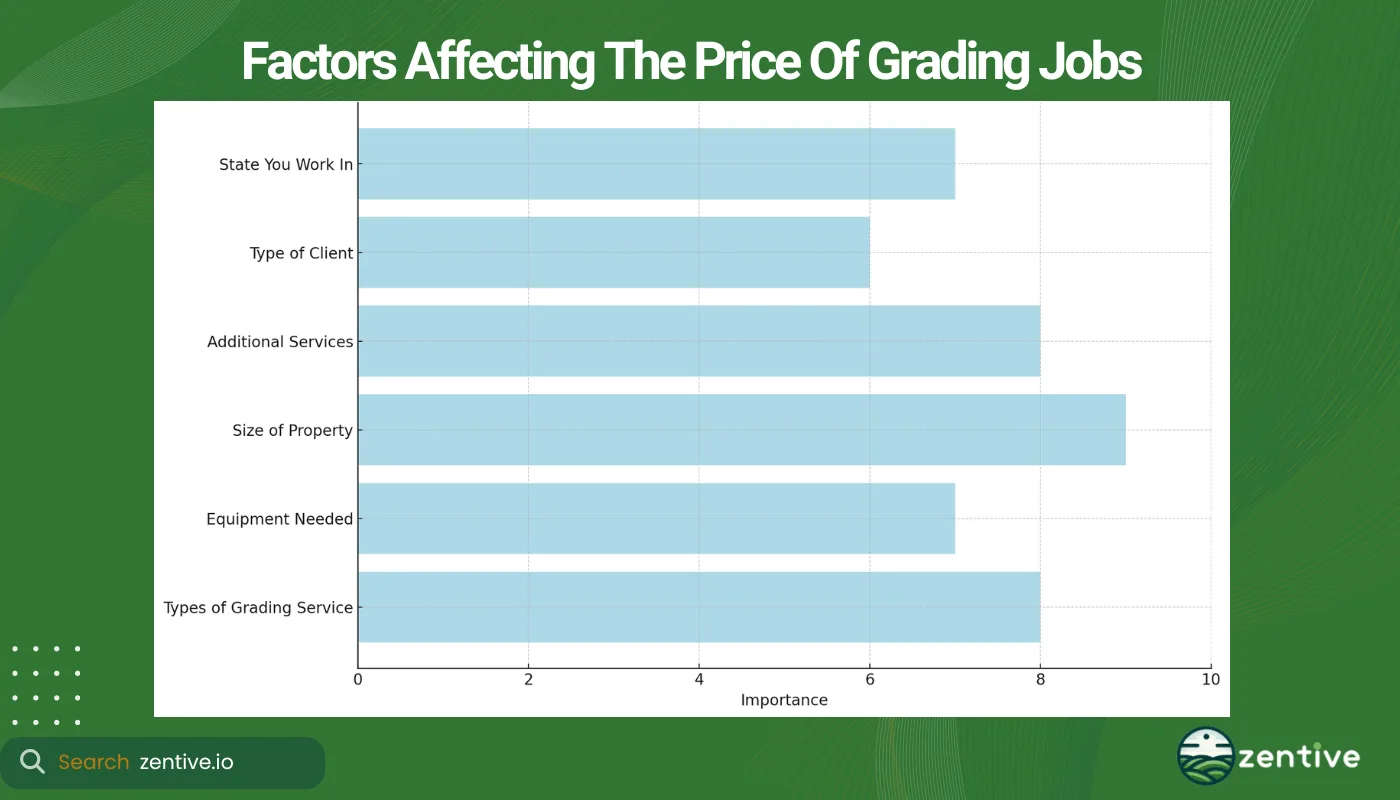
There are six factors you should always take into account when determining the cost of land grading services.
- Types of Grading Service: The types of grading services - fine grading and rough grading - will impact the cost as they require different approaches and resources.
- Equipment Needed: The complexity and scale of the project determine the type of equipment required. Heavier machinery like excavators and bulldozers incurs higher costs.
- Size of Property: Larger properties require more time and resources to grade, leading to higher costs.
- Additional Services Being Provided: Services like soil testing and additional landscaping, such as installing drainage systems or retaining walls, will increase the project's total cost.
- Type of Client (Residential or Commercial): Commercial projects usually cost more than residential, seeing that the project scope is often larger.
- State You Work In Labor costs, material costs like fill dirt cost, equipment rental rates, and regulatory requirements vary by state, all of which influence the average costs of projects. Certain states with higher living costs or are just more expensive for standard things and equipment have higher grading service rates.
What Landscape Services Are Related To Land Leveling Services?
Land leveling services are closely related to other landscaping services listed below. What are types of landscaping services you should get? The below landscaping services should be completed after grading your land.
- Address Rainwater Drainage Problems: Prevents water damage and foundational issues. Important when you do rough grading.
- Enhance Landscape Aesthetics: Prepares the ground for aesthetic improvements.
- Install a Concrete Patio or Driveway: Requires a level base to prevent structural issues.
- Mitigate Soil Erosion: Essential for maintaining soil health and landscape integrity.
- Extend Existing Home Structures: Land leveling ensures new additions are on stable and level ground.
- Construct a New Residence: Done after land leveling services.
What Is Cost Of Grading For Driveway Installation?
Grading for driveway installation costs around $6 per square foot. Grading involves leveling the ground and ensuring proper drainage to support the driveway's structure. It's a preliminary step done to prevent future cracking, shifting, or other forms of damage due to an unstable foundation or water erosion. It's important that you factor the grading cost into your overall cost of driveway installation when creating a budget.
How Does Location Affect Yard Grading Pricing?
Location significantly affects the cost of yard grading, especially on a state vs state level. States with higher costs of living, higher minimum wages and fuel costs, or stricter environmental controls have higher grading service costs. For instance, California is often regarded as the most expensive state for land leveling and grading due to its regulatory environment and high operational costs.
What Are Tips For Pricing Landscape Grading Jobs?
There are three tips you can include to help pricing landscape grading jobs. The first tip, and arguably the best tip, is to utilize estimating software for landscaping. Zentive, for instance, has a plethora of templates you can use to make your estimates look professional. The tool has advanced features that improve accuracy and efficiency in creating estimates.
Another tip is to estimate time requirements accurately. When you accurately estimate time requirements, it prevents underquoting and potential losses. Lastly, sidestep typical errors such as overlooking potential complications (boulders or sewage pipes), underestimating project duration, and inaccurate cost estimates for materials and equipment.
How Does Landscape Software Help Quoting Grading Services?
Landscape estimating software, like Zentive, reduces the time you spend creating quotes while increasing the quotes' accuracy through a land grading cost calculator. Through Zentive, you can accurately calculate material, labor, and equipment costs.
Why would you want to use an app for quoting landscape services? Among the plethora of benefits, the most significant are the reduction of manual errors, time savings in quote preparation, and better presentation of estimates to clients. All of this circles back to increased brand reputation and a higher job win rate.
How Long Does It Take To Flatten A Yard?
The duration of flattening a yard takes a day to a few days for a small residential yard and a couple of weeks for a commercial area. It depends on the property size, terrain complexity, and project scope.
| Type of Yard | Property Size | Terrain Complexity | Project Scope | Duration |
|---|---|---|---|---|
| Small Residential Yard | Up to 0.5 acres | Simple | Basic flattening | 1 to 2 days |
| Medium Residential Yard | 0.5 to 1 acre | Moderate | Flattening and minor landscaping | 2 to 5 days |
| Large Residential Yard | 1 to 2 acres | Complex | Flattening and major landscaping | 1 to 2 weeks |
| Commercial Area | Over 2 acres | Varied | Comprehensive grading and landscaping | 2 to 4 weeks |
What Are The Biggest Issues With Estimating Grading And Leveling Jobs?
The biggest issues landscapers face when estimating grading and leveling jobs include underestimating the project duration. Underestimating the project duration leads to scheduling conflicts and client dissatisfaction, which damages the brand's reputation.
Another issue is to overlook potential complications. Grading frequently encounters complications. Underground utilities or difficult soil conditions may cause unexpected delays and additional costs. Inaccurate material and equipment cost estimates are another issue grading landscapers face. For instance, failure to account for the total fuel expenditure can lead to budget overruns, reduced profitability, and an unhappy client.
Get This Guide as a PDF
Save this article for offline reading. We'll send a formatted PDF straight to your inbox.
No spam. Unsubscribe anytime.
Ready To Streamline Your Field Service Business?
Zentive is the all-in-one field service management software built for landscaping, lawn care, tree care, and snow removal businesses. Start your free trial today.
No credit card required · Cancel anytime