

A landscaping contract is a formal agreement between you and the client where the scope of work, timelines, and financial terms are outlined. A landscaping agreement covers any landscaping service you provide, including design, maintenance, construction, and seasonal services.
These contracts are important, especially when providing commercial landscaping services. They help prevent misunderstandings and disputes. Think of them as legally binding agreements between you and your client. This protects both you and the client if either party neglects their end of the agreement.
Essential components to include in your contracts are the scope of work, payment schedules, warranties, and cancellation policies. We have a free landscaping contract template to help you.
Download Your Free Landscaping Contract Template
Enter your details to unlock a blank landscaping contract you can customize for design, maintenance, or hardscaping jobs.
You're All Set
Click below to download your blank landscaping contract template. Save it, customize it, and reuse it for future clients.
Download Landscaping Contract TemplateLandscaping contracts are an essential part of your business. It's a tool you can leverage to secure more clients. Landscapers need active marketing and networking campaigns.
Below are the steps to creating a professional landscaping contract.
- Collect Essential Business Information: Gather names, addresses, and contact details.
- Define the Scope of Work: Outline tasks, materials, and responsibilities.
- Plan Schedule and Duration: Set start, progress, and finish timelines.
- Specify Financial Terms: Detail costs, payment schedules, and fees.
- Adjust Change Order Procedure: Provide a process for contract modifications.
- Assure Warranties and Guarantees: Include all warranties on labor, materials, and workmanship.
- Detail Cancellation and Termination: State conditions and penalties for ending the contract.
- Simplify Dispute Resolution: Specify methods for resolving disagreements.
- Verify Insurance and Licenses: Check all required insurance and licensing.
- Obtain Signatures: Have all parties sign to confirm agreement.
- Include Attachments and Appendices: Attach relevant documents like blueprints or lists.
Free Landscaping Contract Template Download
Creating a landscaping contract may be a daunting task. After all, you provide landscaping services, not legal advice. We've got you covered with our free downloadable blank landscaping contract template. Simply print or download it and customize it to match the specific landscaping services you offer, be it a landscaping design contract, landscape maintenance contract, or any landscape hardscaping contract.
1. Collect Essential Business Information
A contract for landscaping services must include all the necessary business information, including the names and contact details of both parties involved—the landscaping company and the client. Relevant business information would be the business name, address, phone number, and email; the client's full name, address, and contact information; and the contract date.
A landscape contract should include business information because it establishes the identities of the contracting parties and serves as the foundation for the contract. Imagine how suspicious it would look to a client if you only included your name with no address, phone number or anything else. Remember, they are investing a lot of money in your skills, so they need reassurance that they can trust you. Without this information, the contract may lack legal enforceability and create confusion about who is responsible for fulfilling the contract terms.
2. Define the Scope of Work
The second step in your landscaping contract is to define the scope of work by clearly outlining the specific services that the landscaping company will provide. Landscaping contracts contain an exact scope of work, including a detailed description of the landscaping tasks (e.g., lawn mowing, planting, hardscaping), materials to be used and their specifications, as well as the equipment required for the job.
Including a precise scope of work ensures that both you and the client have a mutual understanding of the services to be delivered, preventing disputes over expectations.
Not including a scope of work or only mentioning it vaguely can lead to misunderstandings, unmet expectations, and potential disputes over the services provided. Vague scope descriptions frequently lead to misunderstandings and disputes. For instance, a client wants your lawn care services, but you don't offer hedge trimming. The client, under the impression you do hedge trimming, calls you out, and it leads to confrontation. Luckily, you have the safety of a contract to refer to, stipulating all the services provided (and doesn't mention hedge trimming). Legally, the client can't take action.
| Component | Description |
|---|---|
| Project Overview | A brief summary of the overall landscaping project, including the primary objectives and outcomes. |
| Services Provided | A detailed list of all the services that will be provided, such as lawn care, planting, irrigation, and hardscaping. |
| Project Timeline | A schedule outlining the start and completion dates, including any milestones or phases. |
| Materials and Equipment | A list of all materials and equipment that will be used during the project, specifying any particular brands or types. |
| Worksite Preparation | Details on how the worksite will be prepared before the commencement of work, including any clearing or grading needed. |
| Maintenance Plan | An outline of any ongoing maintenance services to be provided after the project's completion, such as fertilization and pruning. |
| Quality Standards | Specific standards and criteria that the work must meet, including any relevant industry standards. |
| Exclusions | A clear list of any services or materials that are not included in the scope of the project. |
3. Plan Schedule and Duration
In your contract for landscaping services, you should establish a timeline for when the work will start and be completed. You should include project start and end dates, as well as milestones and deadlines for specific tasks.
A clear schedule helps manage client expectations and allows you to plan better and allocate your resources. Landscaping companies that fail to include a schedule often face delays and miscommunications. These problems lead to client dissatisfaction and harm the company's reputation.
4. Specify Financial Terms
In your landscape contract, you must detail the financial aspects of the landscaping services requested. The pertinent financial information includes total project cost, payment schedule (e.g., upfront deposit, progress payments, final payment), accepted payment methods, and financial information (bank account, PayPal details, etc.)
Importance: Transparent financial terms ensure that both parties agree on the cost and payment structure, reducing the likelihood of payment disputes. Many landscapers would agree that ambiguities in financial terms often lead to payment delays that require follow-ups, disagreements over costs, and potential legal issues.
5. Adjust Change Order Procedure
This step involves mentioning the company's process and tolerance for handling any changes or additions to the initial scope of work. This one is especially relevant for hardscaping landscapers. It happens very often when landscaping clients want an extra feature to their hardscaping feature, be it a gas option for a BBQ or a retractable roof for their outdoor patio. Proactively approach changes by stipulating them in your contract, as it will prevent unauthorized changes and unexpected costs.
In your contract for landscaping, you need to include how change orders will be requested and approved, the costs associated with changes, and the impact on the project timeline.
6. Assure Warranties and Guarantees
Specify any warranties or guarantees offered by the landscaping company. Include information such as duration and coverage of warranties, as well as conditions that void warranties. For instance: "We hereby guarantee full reimbursement of the cost value for any breakages that might occur during the installation of the outdoor BBQ feature.
Warranties assure the client of the work's quality and durability. They help build trust and confidence in your landscaping company. The absence of warranties can make the client hesitant to proceed and can lead to disputes if issues arise with the completed work.
7. Detail Cancellation and Termination
Describe the terms under which either party can cancel or terminate the contract. It's important that you include conditions for cancellation or termination, the notice period required, and the penalties or fees for early termination, e.g., a 15% penalty fee on deposit.
Why should you include this information in your landscaping contract? Clear cancellation and termination terms protect both parties from unexpected contract breaches and provide a structured exit strategy if needed. It happens when clients suddenly don't have the money to pay for the project anymore or you've changed your business model. Without clear terms, clients may cancel projects abruptly, causing financial losses and legal disputes.
8. Simplify Dispute Resolution
Establish a process for resolving any disputes that may arise during the project. Landscaping contracts should contain methods for dispute resolution (e.g., mediation, arbitration) and jurisdiction and governing law.
A defined dispute resolution process helps manage conflicts effectively and reduces the need for costly litigation. Failure to include a clear resolution process often leads to escalating disputes, prolonged conflicts, and potential legal battles.
9. Verify Insurance and Licenses
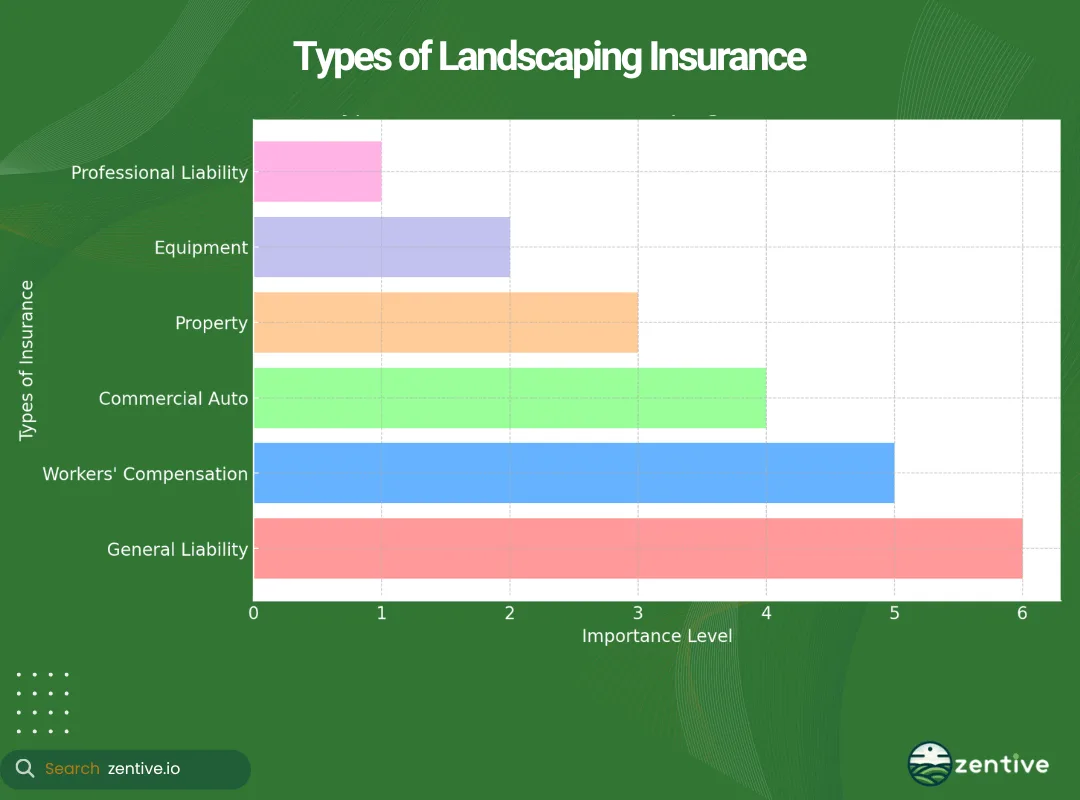
In step number nine, you should confirm your company has the necessary insurance and licenses to perform the work. This includes proof of insurance coverage and copies of relevant licenses and certifications.
Verifying insurance and licenses ensures that the company is qualified and covered for potential liabilities, protecting both parties from legal and financial risks. Nothing is worse than having to shut down a landscaping project midway through completion because of a lack of pertinent licenses. If landscapers fail to verify these documents, they risk legal issues and financial losses.
10. Obtain Signatures
Secure the signatures of both parties to formalize the agreement. In your contract for landscaping services, you need to include signature lines for the client and the representative from your landscaping company, as well as the date of signatures.
Signatures legally bind both parties to the contract terms, making the agreement enforceable. The contract is not legally binding without signatures, and either party can withdraw without consequences. For instance, the client can argue that he never received a contract because their signature is not on the contract, potentially leading to detrimental financial losses for your landscaping company.
11. Include Attachments and Appendices
The last step in your landscape contract is to add any documents or information relevant to the contract. This can be any relevant document, such as detailed project plans, material specifications, and additional terms and conditions.
Attachments and appendices provide supplementary information that supports the main contract. Missing attachments can lead to incomplete understanding and potential disputes over missing or unclear information.
How To Get More Landscaping Contracts?
Focus on better marketing to get more landscaping contracts. The most success comes from utilizing digital marketing tools, social media marketing campaigns, and local SEO and advertisement.
Networking plays a pivotal role in helping get more landscaping contracts. The key is to build relationships with industry professionals and attend relevant landscaping or construction events. How else are you going to meet new people if you don't open new doors?
Showcase your competence and skill through past projects. Create a portfolio of your best work and display it on your website and social media channels. This will help you attract new clients.
Which Landscaping Marketing Tactics Are Most Effective?
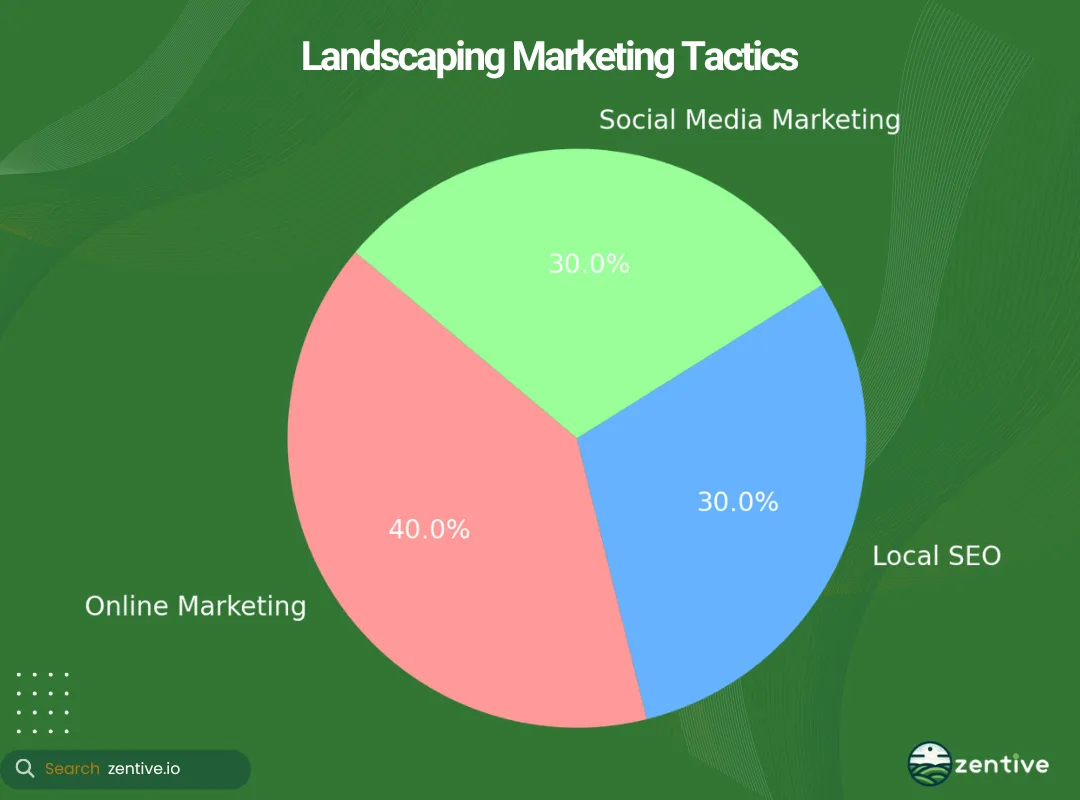
The most effective landscaping marketing tactics are online marketing, local SEO, and social media marketing. include online marketing, local SEO, and social media engagement.
There are many marketing strategies for landscapers, but only a few are actually very profitable. For instance, the best strategy for commercial landscapers involves focusing on building a strong online presence through professional websites, SEO, industry and LinkedIn networking.
What might work for commercial landscapers might not work or, to a lesser degree, for residential landscapers. Instead, they should focus on local SEO and marketing on Facebook and Instagram.
How To Get More Commercial Landscaping Contracts?
Effective marketing strategies that leverage tools such as direct mail campaigns and referral programs are needed to to get more commercial landscaping contracts
Commercial landscaping involves providing landscaping services to businesses, municipalities, and other large organizations. Obtaining commercial contracts for landscapers is much more difficult than obtaining residential contracts, which is why you need bigger and more innovative marketing campaigns.
Direct mail campaigns is an effective strategy. Your company can send targeted mailings to potential clients, showcasing your services, past projects, and special offers. Taking the first step in establishing contact encourages potential clients to reach out.
You should implement a referral program. Encourage your existing commercial clients to refer your services to others by offering incentives such as discounts or additional services. Referral programs are highly effective, as many clients appreciate discounts and incentives.
How To Get More Residential Landscaping Contracts?
Excellent client communication is essential for securing more residential landscaping contracts. You should leverage client testimonials and competitive bids to help you secure more contracts.
Residential landscaping is landscaping services aimed at individual homeowners. Client communication is crucial in securing more contracts. This includes providing a clear outline of the scope of work in your proposals to ensure homeowners understand what to expect.
Testimonials work well. When people see that the majority of past clients had a positive experience with your landscaping services, they are much more likely to use your company. It's an excellent marketing method for building trust and credibility in your business.
Lastly, invest extra effort and creativity in your landscaping bids. When you create better landscape bids, you stand out from competitors and win more residential jobs.
How To Create Better Landscape Contract Bids?
The key to creating better landscaping contract bids is to make your bids stand out from the competitors by using specialized software and providing detailed, transparent proposals.
Software is especially effective. You don't need to spend countless hours to learn how to bid on landscape jobs. Instead, you can use tools like Zentive. These tools streamline the bidding process, ensuring accuracy and efficiency. They can assist in creating professional, detailed bids that clearly highlight your services and pricing.
Which Software Can Be Used To Manage Landscaping Contracts?
Landscape business software like Zentive and QuickBooks can help you manage your landscaping contracts. Landscape contract management software like Zentive gives you access to tools for contract management, project tracking, and client communication.
Zentive is your go-to assistant throughout the contract creation and management process. Not only does the tool offer comprehensive features and templates for creating advanced contracts, but its integration with Quickbooks and its CRM features help manage your finances and contracts for each client seamlessly, ensuring more accurate tracking and invoicing and less administrative burden. Zentive can help send landscape agreements, reducing communication efforts.
How To Send Landscape Contracts?
You can send landscape contracts by using landscape business management software or electronic signature platforms. Some tools, like Zentive, are landscape business quoting software, which can help send quotes to your clients prior to contracts. But you still need to sign these digital landscape contracts. Luckily, landscapers can use platforms like DocuSign or Adobe Sign to provide secure and convenient options for gathering electronic signatures.
Get This Guide as a PDF
Save this article for offline reading. We'll send a formatted PDF straight to your inbox.
No spam. Unsubscribe anytime.
Ready To Streamline Your Field Service Business?
Zentive is the all-in-one field service management software built for landscaping, lawn care, tree care, and snow removal businesses. Start your free trial today.
No credit card required · Cancel anytime